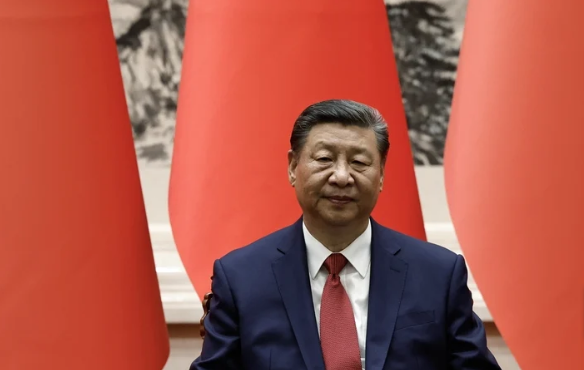
A major shake-up of China’s senior military leadership is raising questions about the country’s internal stability and its capacity to manage potential conflicts. The dismissals of Vice Chairman of the Chinese Military Commission (CMC) Zhang Youxia and General Liu Zhenli for “violations of discipline and law” mark a significant concentration of power in the hands of President Xi Jinping.
Analysts say the move highlights Xi’s control over the military while also exposing gaps in experience and counsel at the top of the People’s Liberation Army (PLA). Wen-Ti Sung, a senior fellow at the Atlantic Council, said Xi now “trusts almost no one” within the military, leaving the command structure weakened. The CMC oversees China’s army, navy, air force, nuclear arsenal, police, and militia, with Xi as chairman. Following the purge, only Xi and disciplinary chief Zhang Shengmin remain from the original seven members.
Purges are not new under Xi’s 14-year rule. His “Tigers and Flies” campaign aimed to root out corruption among officials and within the PLA, a historically entrenched hotbed of bribery and influence trading. The Berlin-based think tank MERICS reported that the ongoing dismissals suggest Xi remains “unsure of the PLA’s leadership and their commitment to the party.”
The removal of Zhang Youxia surprised many due to his seniority, combat experience, and status as a “princeling”—a descendant of revolutionary leaders. Zhang and Xi have known each other since childhood, and their fathers fought together in the communist revolution. The PLA Daily accused Zhang and Liu of “grave betrayal” and undermining the system of ultimate responsibility resting with the CMC chairman, signalling what analysts interpret as a political or personal disloyalty.
Experts warn the purge could affect China’s military planning, particularly regarding Taiwan. U.S. intelligence has assessed that Xi aims for the PLA to be capable of seizing the island by 2027. Wen-Ti Sung said the dismissals mean the military “has a broken chain of command and relative absence of warfighting know-how at the top level,” limiting options for course correction should Xi choose to take aggressive action.
Regional and global analysts also note broader risks. Velina Tchakarova, of FACE geopolitical risk consultancy, said purges among top commanders, including those overseeing nuclear and missile units, can reduce crisis management capacity and increase external risk tolerance. Shanshan Mei of RAND Corporation added that purges often involve “political and personal” considerations, leaving outsiders uncertain of decision-making thresholds.
The leadership shake-up comes amid a stream of Western visits to Beijing. Irish Taoiseach Micheál Martin, British Prime Minister Keir Starmer, and Canadian Prime Minister Mark Carney have all met Xi in recent months, signaling a pivot toward China as tensions with the United States rise. Critics, including Canadian diplomat Michael Kovrig, caution that engagement by middle powers may misjudge the unpredictability of China’s internal politics and strategic decision-making.
Analysts warn the combination of concentrated power and weakened military counsel could heighten risks in flashpoints from Taiwan to the South China Sea, leaving observers uncertain about Beijing’s next moves.