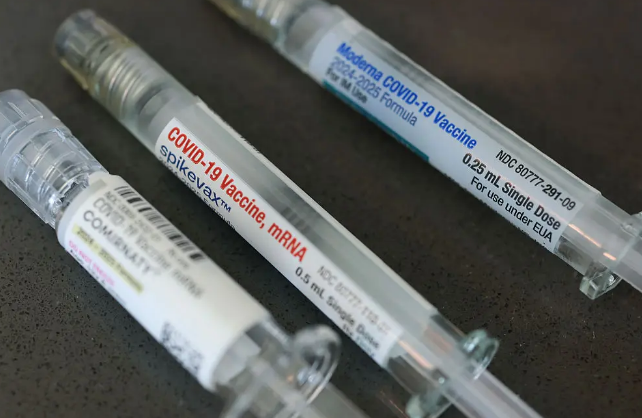
States across the United States are moving to guarantee broad access to COVID-19 vaccines after federal health agencies narrowed eligibility for the updated shots, sparking tensions between state leaders, medical groups, and Washington.
The Food and Drug Administration (FDA) last month authorized the newest version of the vaccine only for people aged 65 and older or those with underlying health conditions. The change marked a significant departure from previous policies and reportedly came against the advice of the agency’s own scientists. Earlier this year, the Centers for Disease Control and Prevention (CDC), under guidance from Health and Human Services Secretary Robert F. Kennedy Jr., stopped recommending the vaccine for healthy children and pregnant women.
Medical experts have challenged the shift. The American Academy of Pediatrics (AAP) continues to recommend the vaccine for all children aged 6 to 23 months, while the American College of Obstetricians and Gynecologists (ACOG) advises it for pregnant and breastfeeding women.
In response, several states have taken independent action to ensure access.
In Arizona, Governor Katie Hobbs issued an executive order directing state health agencies and the pharmacy board to guarantee vaccine availability. “Arizonans and their doctors deserve the freedom to access the COVID vaccine if it is right for them,” Hobbs said.
Colorado has also acted, with the Department of Public Health authorizing pharmacists to administer vaccines to anyone six months and older until at least 2026. Governor Jared Polis said the order would make it easier for residents to receive both COVID-19 and flu shots this fall.
In Connecticut, multiple agencies coordinated efforts to maintain access. The state’s health department endorsed pediatric guidance from the AAP, while the insurance department confirmed coverage requirements remain in place regardless of federal recommendations.
Illinois Governor JB Pritzker signed an order establishing a “Statewide Vaccine Access Initiative,” directing agencies to produce science-based public guidance and continue school-based vaccination programs. The Illinois Immunization Advisory Committee is scheduled to finalize recommendations later this month.
Similarly, Minnesota Governor Tim Walz directed the state health department to expand vaccine access and eliminate barriers, while Nevada’s pharmacy board authorized pharmacists to resume administering shots after a pause.
Other states including New Jersey and New Mexico have issued standing orders allowing broad access. New Jersey’s directive authorizes pharmacists to vaccinate children as young as three without prescriptions, while New Mexico’s health department cleared providers to administer shots to anyone six months or older.
These state-level measures underscore the widening rift between federal guidance and local public health strategies. While Washington has moved toward narrowing eligibility, state leaders and medical groups argue broader access remains essential for protecting communities.
As Dr. Gina DeBlassie, New Mexico’s health secretary, said: “We are clearing the way for New Mexicans who want the vaccine to get the vaccine. This standing order ensures that barriers don’t prevent people from protecting their health.”