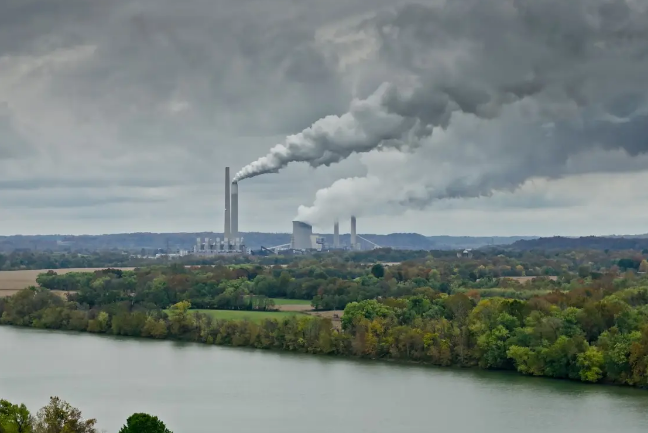
Air pollution from oil and gas operations is responsible for more than 91,000 premature deaths each year in the United States, alongside hundreds of thousands of serious health conditions, according to a new study published Thursday in Science Advances. The research also highlights stark racial disparities, with Black, Asian, Native American and Hispanic communities among the hardest hit.
The study is the first to assess the full health impacts of air pollution across every stage of the fossil fuel life cycle—covering upstream exploration and drilling, midstream transportation and storage, downstream refining, and end-use consumption. Using air quality and epidemiological models, researchers examined 2017 data, the latest year with comprehensive figures, and warned that the results may underestimate the true scale of the crisis, as U.S. oil and gas production has surged by 40 percent since then.
Among its findings, the study links oil and gas-related air pollution to 10,350 preterm births, 216,000 new cases of childhood asthma, and 1,610 lifetime cancer cases annually. While pollution from downstream refining is smaller in volume compared to emissions from extraction and consumption, it was associated with some of the most severe health outcomes—particularly for Black communities living near refineries in regions such as eastern Texas and southern Louisiana.
The research also shows how impacts vary by community. Native American and Hispanic populations were disproportionately exposed to pollution from drilling and transport, while Black and Asian groups were most affected by refining and end-use activities.
Eloise Marais, senior author of the study and professor of atmospheric chemistry and air quality at University College London, said the findings reinforced what local residents have long experienced. “We’re not telling communities anything they don’t already know,” she said. “What this study does is provide rigorous evidence of the scale of the health impacts, so that community leaders, advocacy groups, and policymakers can act with a clearer understanding of where disparities are occurring.”
Researchers stressed that solutions are both urgent and achievable. Unlike greenhouse gases, which remain in the atmosphere for decades, the health benefits of reducing air pollution are immediate. Cutting reliance on oil and gas, they argue, would quickly lower rates of asthma, preterm births, and premature deaths while reducing inequities in public health.
“The gains would be felt almost instantly,” Marais noted. “By reducing our dependence on fossil fuels, we would improve air quality, save lives, and ease the disproportionate health burden borne by vulnerable communities.”
The study adds to mounting evidence linking fossil fuel production not only to climate change but also to direct, widespread harm to public health—effects that researchers warn will worsen if production continues to rise.