Muscle strength is increasingly recognised as a key pillar of long-term health, particularly as populations live longer. Doctors warn that gradual muscle decline, known as sarcopenia, is becoming more common and begins earlier than many people realise. The condition typically accelerates after the age of 60 and can significantly increase the risk of falls, fractures, and loss of independence.
Medical experts also point to new factors influencing muscle health. The growing use of GLP-1 weight-loss drugs has raised concern because these medications can lead to rapid reductions in muscle mass. The effect is largely linked to reduced food intake, which also lowers protein consumption—an essential nutrient for maintaining muscle strength.
Muscle loss is a natural part of ageing. Skeletal muscle fibres do not multiply like other cells; instead, they grow by fusing together. From around age 30, adults typically lose about 0.8% of muscle mass each year. This decline is driven by reduced physical activity and metabolic changes that limit how effectively protein is delivered to muscle tissue.
Doctors say early signs of muscle deterioration often appear in everyday tasks. Difficulty carrying shopping bags, opening jars, or climbing stairs may indicate weakening strength. Reduced performance in basic movements, such as rising from a chair multiple times in under 15 seconds, can also be an early warning sign, according to Dr Guillem Gonzalez-Lomas of NYU Langone Medical Center.
Clinical assessments can include grip-strength measurements, walking tests, blood work, or imaging when necessary. However, experts stress that noticeable changes in daily function are often the first clue.
Despite age-related decline, specialists emphasise that muscle strength can be rebuilt at any stage of life. Dr Nathan LeBrasseur of the Mayo Clinic notes that even people in their 80s and 90s respond well to strength training, which can improve both muscle function and overall mobility.
Health professionals highlight three core strategies for maintaining muscle health: nutrition, exercise, and, in some cases, medical support. A balanced diet rich in protein, fruits, and vegetables helps support muscle repair and circulation, while nutrients such as vitamin D, amino acids, and omega-3 fatty acids may be recommended for some individuals.
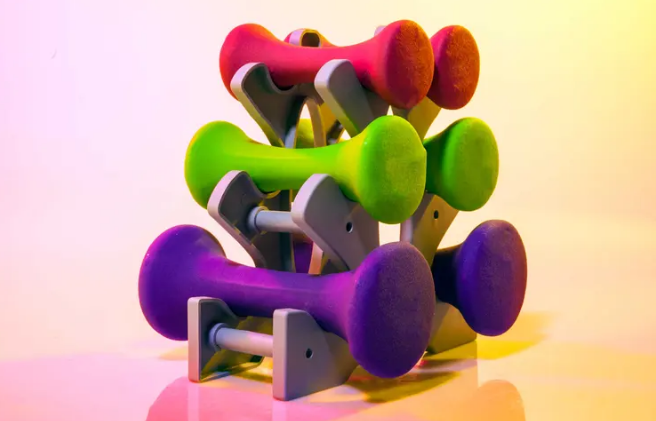
Strength training remains the most effective tool for preserving and rebuilding muscle. Exercises such as squats, lunges, planks, bridges, and modified pushups can be done without gym equipment. Even simple routines performed for 15 to 30 minutes on most days of the week can produce measurable improvements.
Experts encourage consistency rather than intensity alone, noting that dedicating a small portion of the day to movement can make a significant difference in long-term health and independence.