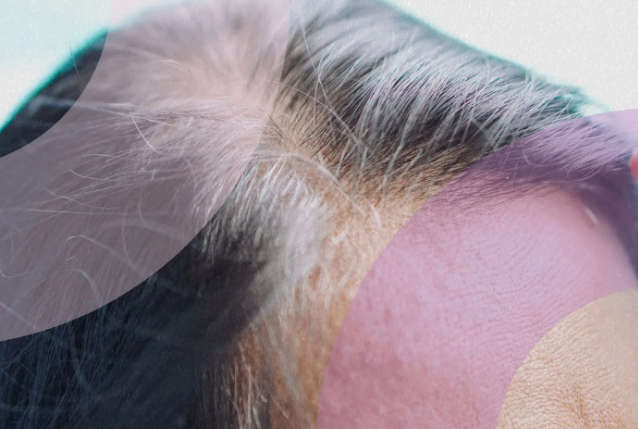
Hair loss is a common but often overlooked symptom of menopause, affecting more than half of women between the ages of 50 and 65, research shows. A 2022 study published in the journal Menopause found that 52% of postmenopausal women experienced thinning or shedding during this stage of life.
The process often begins during perimenopause, the transition period five to ten years before menopause, when hormone levels start fluctuating. Estrogen and progesterone decline, while androgen levels remain relatively steady. This imbalance can affect the hair’s growth cycle, thickness, texture, and strength, and may alter hair follicles.
“Once estrogen, which is protective, goes down, the androgens have a negative effect on the hair follicles,” said Dr. Valerie D. Callender, dermatologist and professor at Howard University College of Medicine. Signs of excessive hair loss can include a widening part, a higher hairline, thinner ponytails, or noticeable clumps of hair on brushes or in the shower drain.
Stress during perimenopause can also accelerate hair loss. Dr. Doris Day, clinical professor of dermatology at NYU Grossman School of Medicine, noted that female pattern hair loss can intensify during menopause. Hair thinning at this stage can trigger emotional effects such as anxiety, reduced self-esteem, and stress.
Hair naturally grows in cycles that include growth (anagen), regression (catagen), resting (telogen), and shedding (exogen) phases. Estrogen plays a key role in prolonging the growth phase. When estrogen declines, more hairs enter the shedding phase, leading to noticeable hair loss. Genetic factors also influence whether a woman experiences hair thinning. “Some women are predisposed to it genetically,” Callender said.
Several treatments are available to address menopausal hair loss. Hormone therapy may help protect hair by replacing declining estrogen. Medications such as oral finasteride and spironolactone have also been shown to be effective. Over-the-counter options include topical minoxidil, a 5% solution that promotes regrowth, and home-based red light therapy, which can improve scalp blood flow and stimulate hair follicles.
Dietary supplements marketed for hair growth may support hair health, though evidence remains limited. Experts recommend early intervention to slow thinning and encourage regrowth. Daily hair care adjustments, such as gentle brushing, using volumizing shampoos and conditioners, and avoiding tight hairstyles or excessive heat treatments, can also reduce breakage.
Hair recovery often takes months, and multiple strategies are typically needed. “If you stop doing it, you lose the benefits,” Day said. Despite the challenges, hair loss often stabilizes after menopause, and consulting a dermatologist can help women navigate effective treatments and maintain hair health during this transition.