The man who killed four people and critically wounded another in a midtown Manhattan office building earlier this month left behind a handwritten note claiming he suffered from chronic traumatic encephalopathy (CTE), a degenerative brain disease linked to repeated head trauma. The shooter, 34-year-old Shane Devon Tamura, later turned the weapon on himself.
Authorities say Tamura, who brought an assault rifle into the building, carried a three-page note in his pocket referencing CTE and expressing frustration with how the National Football League (NFL) handles the condition among former players. Though the NFL headquarters is located in the same building, Tamura reportedly did not target its offices.
In the note, Tamura reportedly wrote: “You can’t go against the NFL—they’ll squash you,” and requested that his brain be studied by medical researchers. He also detailed his high school football experience in California and claimed lingering trauma from repeated head injuries.
The New York City Office of Chief Medical Examiner confirmed it is conducting a full autopsy and plans to analyze Tamura’s brain. Depending on his family’s wishes, the brain may be transferred to a specialized research institution for further CTE study.
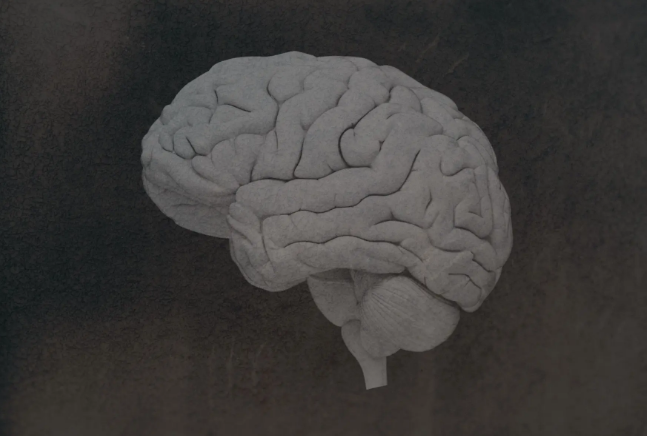
CTE, a condition associated with repeated head trauma, has been linked to contact sports such as football, boxing, and hockey. It can currently only be diagnosed after death through microscopic examination of brain tissue. Researchers say symptoms often include memory loss, mood swings, cognitive decline, and impulsive or aggressive behavior—symptoms that progressively worsen over time.
Dr. Ross Zafonte, a principal investigator in the Football Players Health Study at Harvard, described CTE as a “distinct pathology” and stressed that it cannot be detected through conventional brain scans. “We’re talking about microtraumas—tiny capillary breaks and inflammation that kill brain cells,” added Dr. Maura Boldrini, a Columbia University psychiatry professor.
While there is no cure for CTE, doctors believe that lifestyle factors—such as regular physical activity, social engagement, and sleep—may help increase brain resilience. Some medications, including antidepressants and anti-epilepsy drugs, may alleviate symptoms or slow progression.
Research into the disease continues to grow. The Boston University CTE Center and its UNITE Brain Bank now hold over 1,600 donated brains and are leading studies involving former athletes, many of whom have agreed to contribute blood samples and cognitive data during their lifetimes, then donate their brains posthumously.
CTE experts say these studies are critical to identifying biomarkers that may one day allow doctors to diagnose the condition in living patients. “We do what we can now,” Zafonte said. “And when we know better, we will do better.”