Health officials in New York City are investigating a deadly outbreak of Legionnaires’ disease that has left two people dead and nearly 60 others ill, with Central Harlem identified as the epicenter of the spread.
The city’s Department of Health issued a public alert on July 30, urging residents of Central Harlem experiencing flu-like symptoms — including fever, cough, or shortness of breath — to seek medical attention immediately.
Legionnaires’ disease is a severe form of pneumonia caused by inhaling aerosolized water droplets contaminated with Legionella bacteria. It does not spread from person to person. The bacteria commonly thrive in warm water environments such as air conditioning systems, cooling towers, hot tubs, and decorative fountains.
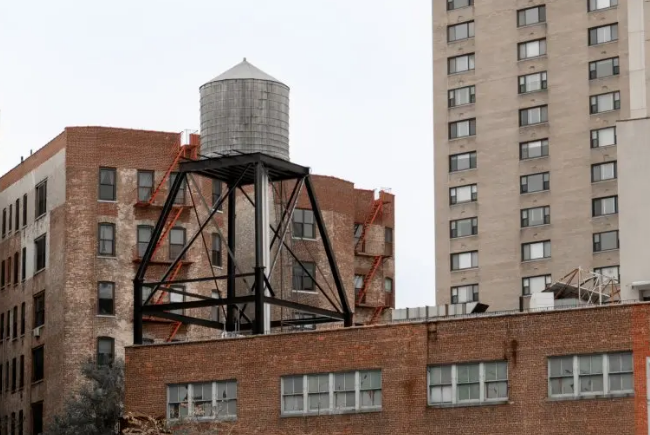
On August 4, the Health Department confirmed that the outbreak likely stems from contaminated cooling towers, which are used to regulate building temperatures. Officials reported that Legionella had been detected in 11 towers in the affected area.
“People can continue to drink water, bathe, shower, cook, and use their air conditioners safely,” the Health Department clarified, adding that the risk is specific to mist or vapor from contaminated sources.
Understanding the Disease
Symptoms of Legionnaires’ disease typically appear two to 14 days after exposure and are similar to pneumonia, including high fever, persistent cough, shortness of breath, and fatigue. Some patients also experience gastrointestinal issues such as nausea or diarrhea, and confusion in severe cases.
Because of the overlap with common respiratory illnesses, it can be difficult to diagnose unless a doctor suspects exposure to Legionella. In outbreak zones like Harlem, physicians are advised to use chest X-rays and laboratory tests — such as urine or sputum analysis — to confirm the presence of the bacteria.
The disease disproportionately affects older adults and those with weakened immune systems. According to the Centers for Disease Control and Prevention (CDC), about one in 10 people infected will die from complications.
Rising Risk with Warm Weather
Legionnaires’ outbreaks are more common in the summer when warm temperatures between 77°F and 113°F allow the bacteria to flourish, particularly in man-made water systems. Health officials warn that maintenance failures in cooling towers and other water systems can increase the risk of outbreaks.
While there is no vaccine for Legionnaires’ disease, it is treatable with antibiotics. The CDC urges building operators to follow water safety protocols, including proper disinfection and pH control, to prevent bacterial growth.
As investigations continue, city officials are working to identify and treat those affected while reminding residents to remain vigilant.