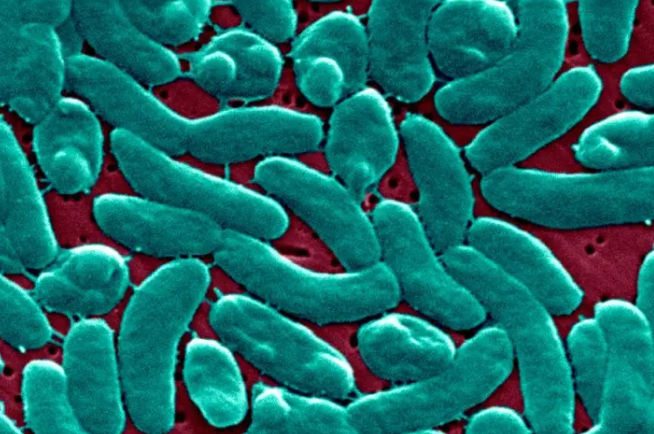
At least eight people have died and more than 20 have been infected along the U.S. Gulf Coast this year in a concerning rise in cases linked to Vibrio vulnificus, a rare but dangerous bacterium sometimes referred to as “flesh-eating” due to the severe infections it can cause.
Health officials in Louisiana and Florida have issued public warnings after an unusually high number of infections were recorded this summer. The Louisiana Department of Health reported 17 confirmed cases so far in 2025, all of which required hospitalisation. Four patients died, marking a significant increase from the state’s typical annual average of just seven cases and one death over the past decade.
Florida has also recorded a spike. As of July 24, the Florida Department of Health confirmed 13 cases, four of which were fatal.
Experts are linking the rise to warming coastal waters—a trend that has intensified with climate change. Vibrio vulnificus thrives in warm, brackish environments and is more commonly found between May and October, when water temperatures peak.
While infections remain rare—fewer than 200 Vibrio vulnificus cases are reported nationwide each year, according to the Cleveland Clinic—health authorities stress the importance of awareness and prevention. The Centers for Disease Control and Prevention (CDC) notes that although about 80,000 vibriosis cases occur in the U.S. annually, only a small fraction are caused by this particularly dangerous strain.
The bacterium can infect humans through two primary routes: consuming raw or undercooked shellfish, particularly oysters, or exposing open wounds or cuts to seawater or brackish water. Once infected, individuals can develop severe symptoms including fever, painful blisters, organ damage, and in the most extreme cases, necrotizing fasciitis—a condition where tissue surrounding a wound begins to die.
While Vibrio vulnificus is often labeled “flesh-eating,” the CDC clarifies that it is not the leading cause of necrotizing fasciitis in the U.S., though it can cause it in rare, severe cases.
Authorities in both Louisiana and Florida have urged residents and visitors, especially those with compromised immune systems or underlying conditions like liver or kidney disease, to take precautions. This includes avoiding contact with coastal waters if they have cuts, wounds, or new tattoos or piercings, and wearing protective footwear on beaches to prevent injuries.
To reduce risk, experts recommend avoiding raw shellfish, thoroughly washing hands after handling seafood, and keeping wounds clean and covered when near coastal waters.
With warmer summers becoming the norm, public health officials are closely monitoring the situation and continuing to stress the importance of vigilance, particularly for those at higher risk.