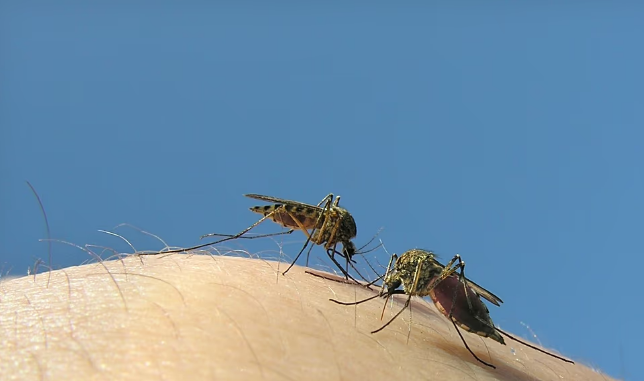
Google is seeking regulatory approval in the United States for an ambitious biological control project that would see tens of millions of mosquitoes released in parts of California and Florida over the next two years in an effort to curb mosquito-borne diseases.
The initiative, known as “Project Debug,” focuses on increasing populations of modified or sterilised male mosquitoes that cannot reproduce with wild females, gradually reducing overall mosquito numbers. The company has requested permission to release up to 64 million mosquitoes as part of field trials designed to test the approach at scale.
According to the project description, the program relies on male mosquitoes carrying a naturally occurring bacterium called Wolbachia. This bacterium interferes with reproduction when infected males mate with wild females, resulting in eggs that do not hatch. Because male mosquitoes do not bite humans, they are considered safe for release under the program’s design.
Mosquitoes are among the deadliest animals on Earth, responsible for an estimated 700,000 to 1 million deaths annually due to diseases such as malaria, dengue, yellow fever and Zika. Rising global temperatures and shifting weather patterns have expanded mosquito habitats, increasing the urgency of new control strategies.
Google said its approach is intended to avoid the environmental damage associated with chemical insecticides. The company is also developing monitoring systems and software tools to determine optimal release locations and population targets, aiming to ensure that “good bugs” outnumber wild mosquito populations in targeted areas.
The focus is largely on Aedes aegypti, a species responsible for spreading many of the most dangerous mosquito-borne illnesses. This mosquito alone is estimated to put nearly 40% of the global population at risk of infection.
The technique is not entirely new. Similar sterile insect methods have been tested in other countries, including Cyprus, where authorities released thousands of sterilised male mosquitoes weekly in 2023 to combat invasive species. Comparable trials have also taken place in China and Cuba using radiation-based sterilisation methods.
Health authorities in Europe have warned that mosquito-borne diseases are expanding into new regions, driven by warmer temperatures and longer summers. The European Centre for Disease Prevention and Control has reported rising cases of dengue and West Nile virus across parts of southern and central Europe, alongside the spread of invasive mosquito species into more countries.
Public health experts say prevention efforts must combine innovative scientific approaches with traditional measures such as removing standing water and targeted insect control.
While Google’s proposal remains under regulatory review, it highlights growing interest in biological and technology-driven alternatives to conventional pest control as mosquito populations continue to expand globally.