People who spend their careers investigating foodborne illnesses often have a different approach to what they eat. Rather than treating foods as simply safe or unsafe, many assess the level of risk and decide whether the potential danger is worth taking.
Several food safety specialists say some foods rarely appear on their plates, including raw milk, raw oysters, undercooked meat and certain fresh produce.
Raw milk and cheese made from unpasteurised milk are among the most widely avoided products. Experts point to the long-established risks of bacteria and other pathogens that pasteurisation is designed to remove. Food safety lawyer Bill Marler, who has represented families affected by serious outbreaks, says the availability of pasteurised alternatives makes the risks of raw milk difficult to justify.
Barbara Kowalcyk, director of the Institute of Food Safety and Nutrition Security at George Washington University, also avoids raw milk and raw-milk cheeses. Her interest in food safety became personal after the death of her young son from complications linked to an E. coli infection in 2001.
Cantaloupe is another food that raises concerns among some specialists. Darin Detwiler, a food policy professor at Northeastern University, says the fruit’s rough outer surface can harbour bacteria that may be transferred into the flesh when it is cut. He advises eating cut melon promptly and avoiding leaving it at room temperature for extended periods.
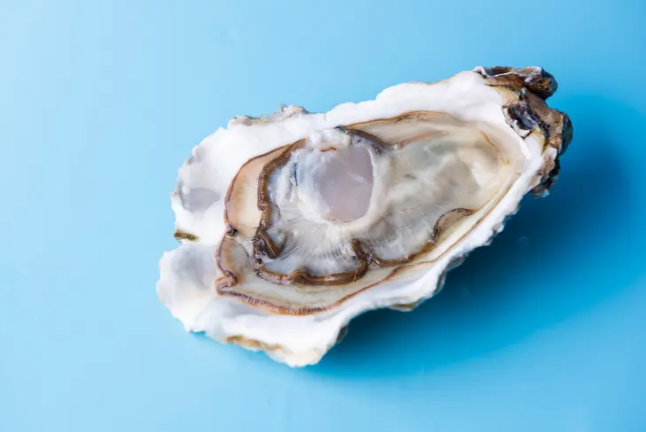
Raw oysters and other shellfish also feature prominently on experts’ lists. Because oysters filter large amounts of water, contaminants in polluted waters can accumulate in their bodies. The products have been linked to outbreaks of illness, making them a risk some food safety professionals prefer to avoid.
Some experts are also cautious about sushi, particularly rolls where parasites or other problems may be difficult to detect. Others avoid undercooked pork because of concerns about parasites, including Toxoplasma.
Raw sprouts are another common concern. Bacteria can be present on seeds before sprouting begins, while the warm, humid conditions needed for growth can encourage pathogens to multiply. Washing the sprouts may not remove all contamination.
Pre-cut fruit and vegetables are avoided by some specialists because consumers cannot always know how long the food has been stored or how it was handled. Raw eggs are also treated cautiously, with pasteurised eggs preferred for recipes requiring uncooked ingredients.
Undercooked hamburgers are another major concern because grinding meat can spread bacteria throughout the patty. Unlike steak, where contamination is generally concentrated on the surface, a burger must be cooked thoroughly to reduce the risk.
Some experts are even wary of food served at potlucks and picnics, where preparation and temperature control can vary. For them, keeping food chilled and serving small portions at a time is a simple way to reduce the risk of foodborne illness.