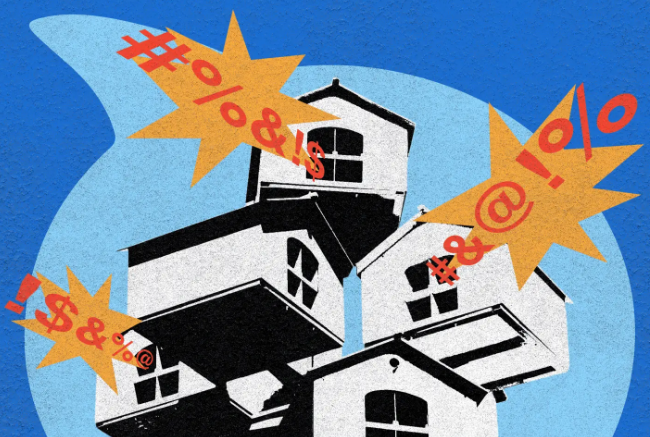
From loud music to barking dogs, heavy footsteps, or smoke drifting through windows, neighborhood tensions are as old as shared living itself. But while frustration often leads to angry confrontations, conflict resolution specialists say the key to better relations lies in empathy and calm communication.
Lindsey Rae Ackerman, a marriage and family therapist and vice president of clinical services at Clear Behavioral Health in Los Angeles, advises approaching disruptive neighbors with simple, respectful requests rather than accusations. “So often, when our emotions get the best of us, we forget the humanity of it all,” she explained. “It’s not, ‘You did this wrong,’ but, ‘I’m struggling because of something happening in your space, and I’d like to collaborate on solutions.’”
Noise is one of the most common flashpoints. For instance, constant dog barking can make remote work unbearable. Ackerman recommends acknowledging both the difficulty of pet care and the impact on your day. A friendly conversation that opens with a compliment about the pet and a suggestion such as occasional doggie daycare can be more effective than complaints shouted over the fence.
Other nuisances, such as cigarette smoke, require a balance of rights. Jeff Gardere, a psychology professor at Touro University in New York, suggests highlighting the personal impact—such as asthma or lingering odors—while recognizing a neighbor’s right to smoke on their property. Delivering the request with a smile, he said, can turn a potential clash into cooperation.
Building structure can also fuel disputes. In apartment blocks, even normal footfalls may sound disruptive. Rather than blaming, Ackerman encourages residents to point out the thin floors and suggest solutions like rugs, keeping the tone collaborative. “That preserves personal dignity and prevents the issue from becoming too personal,” she said.
Parking disputes and pet messes add to the list of grievances. Larry Schooler, a conflict resolution professor at the University of Texas at Austin, advises neutral wording when addressing issues like dog waste, while Pamela Eyring of the Protocol School of Washington recommends catching neighbors at calm moments to discuss parking problems. Offering flexibility—such as lending space in an emergency—can transform tensions into partnerships.
Even awkward situations, such as unintended exposure through windows, can be resolved with light humor and tact. Gardere suggests gently raising the issue while proposing practical fixes like curtains or blinds.
Ultimately, experts agree that small acts of patience and empathy can defuse simmering disputes. “It’s about protecting your own quality of life,” Ackerman said, “but also respecting that your neighbor is trying to enjoy theirs.”
In a world of crowded housing and shared spaces, the message is clear: kindness, clarity, and collaboration go further than confrontation when it comes to living side by side.