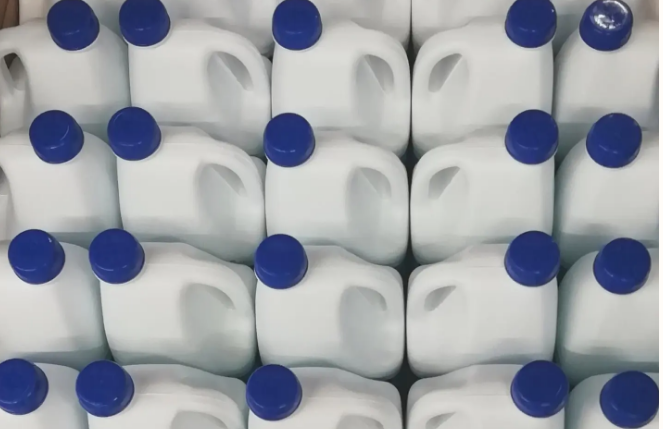
Bleach has long been viewed as a go-to solution for killing bacteria, but health and cleaning experts caution that it is not necessary for everyday household cleaning and must be used with care when it is needed.
Sodium hypochlorite, the active ingredient in bleach, is a powerful disinfectant. However, cleaning and disinfecting are two different tasks, according to Katie Sullivan, director of issue communications at the American Cleaning Institute. “Cleaning is the physical removal of dirt, germs, and debris by scrubbing, washing, and rinsing,” she explained. “Disinfecting involves killing any remaining germs on a surface after it’s been cleaned.”
For routine tasks, soap and warm water are often sufficient. Rebecca Fuoco, director of science communications at the Green Science Policy Institute, said, “The bottom line is that you often don’t need to disinfect your home. You just need to clean your home.”
Experts note there are situations where bleach can be useful. Taylor Dunivin, a toxicologist with the Environmental Working Group, said bleach is appropriate for disinfecting surfaces contaminated with bodily fluids, feces, or vomit from someone who is ill. It can also be used in very diluted forms on surfaces where raw meat, such as chicken, has been prepared. She advises using other food-safe sanitizers whenever possible to avoid chemical residue.
Bleach is generally not needed in bathrooms or showers. “If you notice a little mold in your shower, you can scrub the area with detergent and water—you don’t need to use bleach,” Dunivin said. For toilets, she recommends cleaners containing lactic acid. People with asthma and children should avoid exposure to bleach fumes, as repeated use can increase the risk of respiratory issues.
Alternative disinfectants are available. Citric acid, ethanol, and acetic acid are effective at killing germs without the risks associated with bleach. Fuoco advises avoiding products with quaternary ammonium compounds, which have been linked to health concerns.
Experts emphasize safety when bleach is used. It should never be mixed with other household chemicals, particularly vinegar or ammonia, which can release toxic gases. Proper storage out of reach of children and pets, wearing gloves and eye protection, and ensuring ventilation are crucial precautions. Surfaces should always be cleaned with soap and water before applying bleach.
Lillian Nabwiire, a food safety extension educator at the University of Illinois Urbana-Champaign, also recommended carefully reading product labels, as concentrations vary by brand, and disposing of diluted bleach immediately after use because it loses effectiveness and remains toxic over time.
While bleach can play a role in specific disinfecting situations, experts agree that most homes can maintain hygiene safely and effectively with basic cleaning methods.