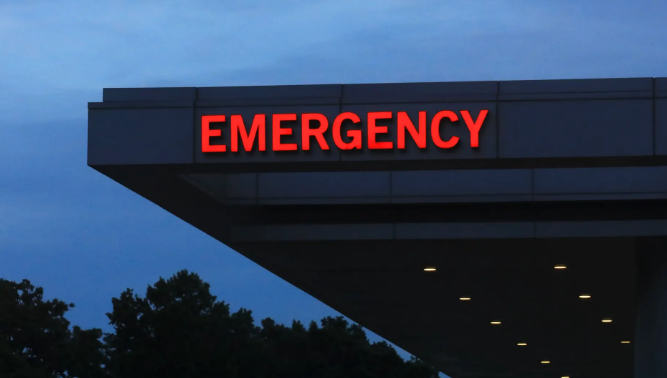
A significant but little-known provision in the recently passed “One Big Beautiful Bill Act” could jeopardize a cornerstone of American health care: the reliability of emergency rooms. The legislation includes a phased reduction of the nationwide provider tax—from 6% to 3.5%—a move that health experts warn could trigger widespread hospital disruptions and the closure of hundreds of nursing homes.
The provider tax, used by 47 states, is a key mechanism for funding Medicaid. Hospitals pay the tax, which states then leverage to draw down additional federal Medicaid funds. That money helps keep ERs staffed, hospital beds open, and nursing homes operational. With the new federal cut, states will receive less Medicaid funding—leaving health care providers scrambling to fill the gap.
“This might sound like a technical adjustment, but the ripple effects will be felt in every hospital and emergency room across the country,” said a health policy researcher at Brown University’s School of Public Health. Their analysis estimates that more than 600 nursing homes could close nationwide as a direct result of the cuts.
These closures would have cascading effects. Nursing homes care for patients recovering from surgeries or chronic illnesses who can’t return home but don’t need intensive hospital care. If these facilities shut down, patients may remain in hospital beds longer, clogging the system and crowding emergency departments.
“This is how the system breaks down,” said one emergency physician. “When hospital beds are full, patients back up in the ER, and when ERs are overwhelmed, care delays become deadly.”
The strain will likely hit rural communities and low-income families hardest. In rural areas, where the nearest hospital may already be miles away, nursing home closures could mean even longer travel times in emergencies. For Medicaid-dependent patients, especially the elderly and disabled, losing access to care could be devastating.
Though states could choose to increase taxes or implement new fees to replace the lost funding, such efforts would vary widely across states, creating a patchwork of care quality nationwide.
The cut was included in a bill that also featured sweeping tax reductions, including the elimination of taxes on overtime and tips, and major cuts to clean energy and social welfare programmes. While supporters argue the bill offers economic relief, critics warn that undermining Medicaid support infrastructure could cost lives.
As Americans gather for summer celebrations, experts urge the public and policymakers alike to consider the broader implications. “A functioning ER is something we all rely on,” said one health advocate. “Weakening the system behind it could leave us all vulnerable when we need it most.”