Plastic has become a fixture in modern kitchens, offering convenience through cling wrap, disposable utensils, and increasingly popular dishwasher pods. Yet growing evidence shows that such ease comes with environmental costs, as plastics break down into microplastics that infiltrate ecosystems and even the human body.
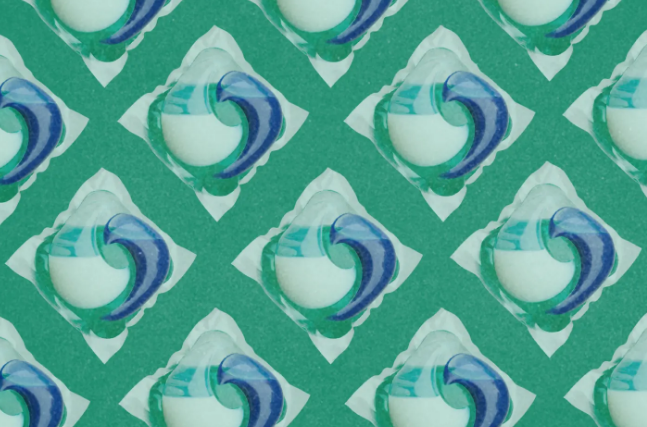
Dishwasher pods, which contain detergent encased in a dissolvable film, have been marketed as a cleaner alternative to loose powders or liquids. Their wrappers are made of polyvinyl alcohol (PVA), a plastic engineered to dissolve in water. Manufacturers and regulators argue that the dissolved PVA does not qualify as microplastic, and that most wastewater treatment plants are capable of breaking it down into harmless components.
Supporters point to research from 2021 by Belgian scientists showing that detergent-grade PVA can safely degrade within two months under suitable conditions. The U.S. Environmental Protection Agency has certified certain powder-based pods under its Safer Choice program, while environmental groups such as the Environmental Working Group (EWG) have also endorsed specific formulations.
However, some researchers remain unconvinced. Studies led by scientists including Charles Rolsky at the Shaw Institute suggest that PVA may pass through treatment systems without fully degrading, particularly when conditions such as temperature and microbial activity are less than ideal. This raises the risk that dissolved PVA could flow into rivers and oceans, where its long-term interactions with marine ecosystems remain unclear.
“The film may dissolve, but that doesn’t mean it disappears,” said Sherri Mason, a plastics pollution researcher at Gannon University. “We need to better understand what happens once it leaves wastewater plants.”
Others warn that PVA’s unique characteristics make it harder to track than conventional plastics. “It’s a plastic turning into something we can’t even define,” Rolsky noted, highlighting the uncertainty surrounding its environmental footprint.
Still, there is little evidence to suggest direct human health risks from detergent-pod PVA. Because the dissolved molecules are water-soluble, they are unlikely to accumulate in fatty tissues. A 2022 Italian study examining microplastics in breast milk found only trace amounts of PVA, none resembling detergent films. Most contamination stemmed from other common plastics such as packaging materials.
Experts agree that more research is needed to assess how detergent-grade PVA behaves in real-world conditions outside laboratory tests. While industry groups maintain that current evidence shows the material biodegrades safely, independent researchers continue to call for closer monitoring.
“The science isn’t completely settled,” said Lauren Duffy, senior scientist at EWG. “We need to distinguish between different types of PVA and ensure we’re not overlooking potential risks.”
For now, dishwasher pods remain a practical solution in many households—but their long-term environmental consequences are still being debated.