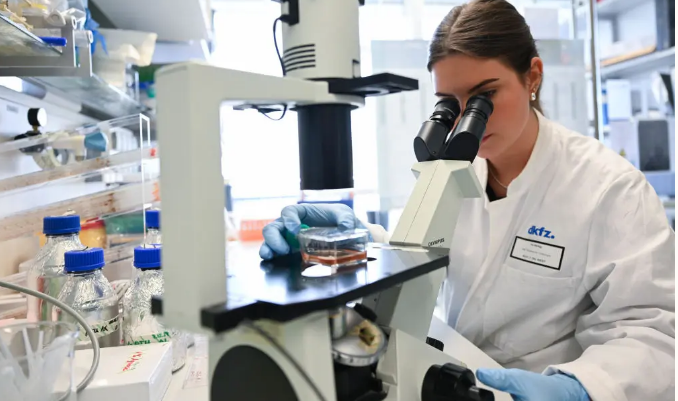
Fifteen years after a revolutionary class of drugs known as immune checkpoint inhibitors transformed cancer treatment, the field of cancer immunotherapy stands at a critical juncture. While initial breakthroughs sparked global excitement and offered unprecedented hope for patients with advanced cancers, particularly melanoma, the anticipated wave of follow-up innovations has yet to fully materialise.
Checkpoint inhibitors, introduced in 2010, marked a turning point in oncology. By enabling the immune system to recognise and attack cancer cells — often by blocking molecular “checkpoints” that allow tumours to evade detection — these drugs achieved long-term remissions in patients once given months to live. The success was hailed as nothing short of a paradigm shift.
However, more than a decade later, the rapid progress that defined the early 2010s has slowed. While checkpoint inhibitors and CAR T-cell therapy (a technique where a patient’s immune cells are genetically engineered to fight cancer) are now standard for some types of cancer, the broader application of immunotherapy remains limited. Most cancer patients still do not benefit from these treatments, and attempts to expand their use or combine them with traditional therapies have yielded underwhelming results.
Experts say this is not due to a lack of potential, but rather a convergence of scientific, economic, and structural obstacles. “We picked the lowest-hanging fruit first,” said one leading researcher. “There are more powerful approaches out there — but they require deeper understanding and bolder investment.”
While scientific progress depends on unraveling the complex interplay between the immune system and various tumour types, the pharmaceutical industry has largely focused on refining existing treatments or developing combination therapies based on approved drugs. This conservative strategy is driven by high development costs and the inherent risk in pioneering new approaches — a dynamic that discourages radical innovation.
The venture capital sector has also been criticised for its cautious stance. Despite its appetite for disruption in fields like AI or fintech, biotech investments often gravitate toward safer, incremental projects rather than transformative research.
Calls are growing for a new model of drug development that embraces risk and complexity. This could include more robust public-private partnerships, innovative trial structures, and a greater emphasis on data sharing to accelerate discovery.
Encouragingly, a handful of biotech firms have begun exploring next-generation immunotherapies that move beyond checkpoint inhibition. These early adopters, industry watchers say, could usher in a new era of cancer treatment — provided they are supported by funding models and regulatory frameworks that reward long-term vision over short-term gain.
As one scientist put it, “We’re not at the end of the immunotherapy story — we’re just at the end of the beginning.”