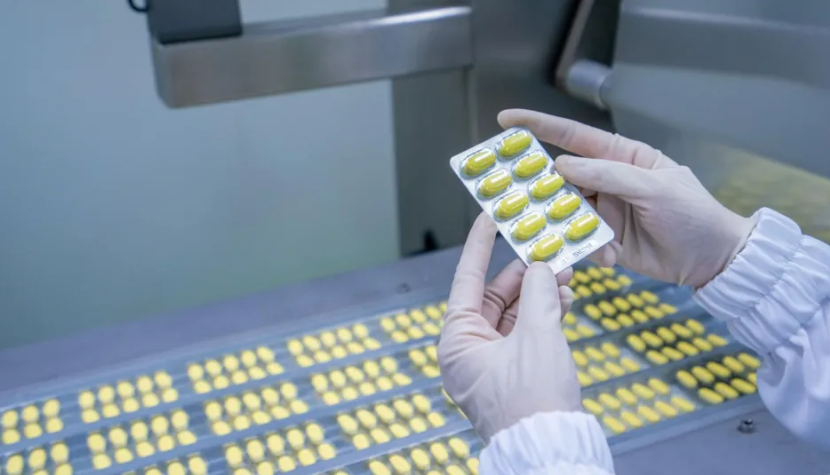
The UK and the US have reached an agreement to maintain zero tariffs on British pharmaceutical exports to the United States for the next three years. Under the deal, the UK will increase spending on medicines through the National Health Service (NHS) in exchange for the guarantee that US import taxes on UK-made drugs will remain at zero.
The agreement comes after US President Donald Trump threatened to impose tariffs as high as 100% on branded drug imports, citing concerns about America’s reliance on medicines manufactured overseas. Trump has argued that US consumers effectively subsidise drugs for other developed countries by paying higher prices, and he has repeatedly called for foreign nations to contribute more.
Pharmaceuticals are among the UK’s largest exports to the US, which is the primary market for major British drugmakers including GSK and AstraZeneca. In the 12 months to September, the UK exported £11.1 billion worth of medicines to the US, accounting for 17.4% of total goods exports, according to the Department for Business and Trade.
Under the terms of the deal, the UK will raise the price threshold at which new treatments are deemed too costly by 25%, while increasing overall NHS spending on medicines. The target is to boost spending from 0.3% of GDP to 0.6% over the next decade. Additionally, the cap on the amount drug companies must repay the NHS to prevent overspending will be reduced from more than 20% to 15%.
Business and Trade Secretary Peter Kyle described the deal as a safeguard for the UK’s pharmaceutical sector. “It guarantees that UK pharmaceutical exports – worth at least £5 billion a year – will enter the US tariff free, protecting jobs, boosting investment and paving the way for the UK to become a global hub for life sciences,” he said.
The agreement comes amid tensions between the UK government and pharmaceutical companies over drug pricing and approval rates. Health Secretary Wes Streeting previously warned against letting companies “rip off” the NHS, while Science Minister Sir Patrick Vallance acknowledged the need for increased medicine spending after a decade of declining NHS budgets for drugs.
Concerns over investment have also intensified in recent months. GSK recently pledged $30 billion (£22 billion) to US research and manufacturing over the next five years, while AstraZeneca paused a £200 million investment in a Cambridge research facility. US pharmaceutical firm Merck scrapped a £1 billion expansion in the UK shortly before these announcements.
US Health Secretary Robert Kennedy Jr said the deal “strengthens the global environment for innovative medicines and brings long-overdue balance to U.S.–U.K. pharmaceutical trade,” highlighting the mutual benefits of tariff protection for UK exporters and fairer drug costs for US consumers.