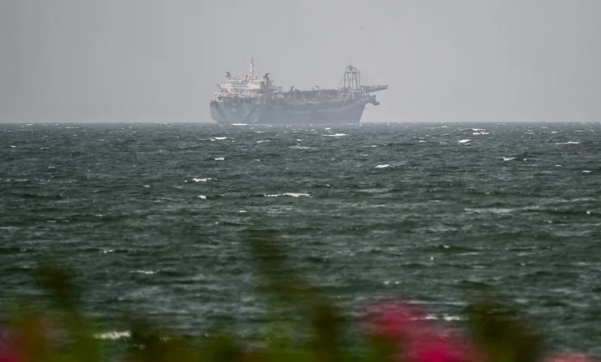
Oil prices rose for a fifth consecutive session on Thursday as investors continued to assess the risk that the ongoing conflict involving the United States, Israel and Iran could disrupt energy supplies from the Middle East.
Brent crude futures for October delivery increased 35 cents, or 0.38 percent, to $91.97 a barrel in morning trading. US West Texas Intermediate crude for September delivery rose 17 cents to $86 a barrel, while the more actively traded October WTI contract gained 38 cents, or 0.45 percent, to $84.77.
Both Brent and WTI settled at their highest levels since July 24 on Wednesday. The September WTI contract is due to expire later Thursday.
The latest gains have come as uncertainty over diplomatic efforts and shipping through the Strait of Hormuz continues to keep supply concerns elevated.
Hiroyuki Kikukawa, chief strategist at Nissan Securities Investment, said oil prices remained supported by sporadic attacks in the Middle East but lacked a major new trigger for a sharper increase.
He said prices could maintain a gradual upward trend because of uncertainty over peace talks and rising tensions involving the United Arab Emirates, Oman and Iran.
The UAE’s decision to suspend financial and economic transactions with Iran until further notice has added to concerns about regional relations. The move followed a reported missile threat and growing tensions surrounding maritime security.
The status of the Strait of Hormuz remains particularly important for energy markets. US President Donald Trump said on Tuesday that the waterway was open and that no negotiations with Iran were taking place. Iran has maintained that the strait remains closed.
Shipping traffic through the waterway remained unchanged on Wednesday, according to the latest tracking data, as diplomatic efforts to end the conflict remained stalled.
Before the war began on February 28, the Strait of Hormuz handled volumes equivalent to roughly one-fifth of global oil consumption. Current flows are significantly below normal levels, raising concerns among traders and energy importers.
The conflict has also affected supplies of refined fuels and reduced inventories as refiners face tighter access to crude.
US Energy Information Administration data released Wednesday showed distillate fuel stocks, which include diesel and heating oil, fell for a third consecutive week.
However, US crude inventories moved in the opposite direction. Commercial crude stocks increased by 4.4 million barrels in the week ending August 14, significantly exceeding expectations for a decline of about 600,000 barrels.
The unexpected rise in US crude inventories could place some downward pressure on oil prices, but traders remain focused on developments in the Middle East.
A prolonged disruption around the Strait of Hormuz could tighten global supplies further and keep prices elevated, particularly if diplomatic efforts fail to produce a lasting agreement or attacks on energy infrastructure and shipping increase.