Oil prices fell more than 1% as traders weighed reports of mediation efforts between the United States and Iran against fresh attacks and growing threats to regional shipping.
Brent crude futures fell $1.21, or 1.4%, to $88.01 a barrel in morning trading. US West Texas Intermediate crude for August delivery, which expires today, dropped 94 cents, or 1.1%, to $82.29. The more actively traded September contract fell 95 cents, or 1.2%, to $81.53.
The decline followed reports that mediators had proposed a 10-day ceasefire to help revive an interim agreement between Washington and Tehran.
A senior Iranian official told Reuters that Tehran had received the proposal as part of efforts to restore the agreement signed on June 17. The deal was intended to create a path towards a lasting settlement to the conflict, which began on February 28 after US and Israeli attacks on Iran.
ING analysts said the ceasefire proposal had raised hopes of de-escalation and could help return the earlier memorandum of understanding to the negotiating table.
However, the analysts warned that major differences remained between Washington and Tehran. US President Donald Trump has also threatened retaliation after several American soldiers were killed in recent attacks.
The diplomatic efforts came after another night of US strikes on Iranian cities and attacks by Iran’s Revolutionary Guards against US military assets across the region. US Central Command said it had begun another round of attacks on Iran.
Some analysts said the latest strikes could be intended to strengthen Washington’s position before negotiations resume. Others warned that the conflict could instead enter a prolonged stalemate, keeping energy flows uncertain and oil prices elevated.
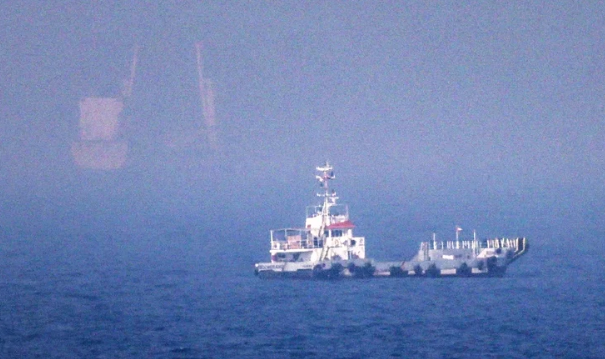
Shipping risks increased after the United Kingdom Maritime Trade Operations agency said a tanker in the Strait of Hormuz had reported being struck by an unknown projectile. The crew abandoned the vessel and boarded a lifeboat.
The number of vessels crossing the strategic waterway has also fallen following the latest attacks.
The Iran-aligned Houthi movement in Yemen has added to concerns by threatening a naval blockade of Saudi Arabia. The move could open another front in the conflict and place additional pressure on global energy supplies and trade routes.
Tim Waterer of KCM Trade said the threat was significant because Saudi Arabia is one of the world’s major oil exporters.
Oil markets were also watching US inventory data. A preliminary Reuters poll suggested crude oil and gasoline stockpiles likely fell last week, while distillate inventories were expected to rise.
The direction of prices will depend heavily on whether diplomatic efforts can reduce tensions or whether attacks continue to disrupt shipping and energy flows.