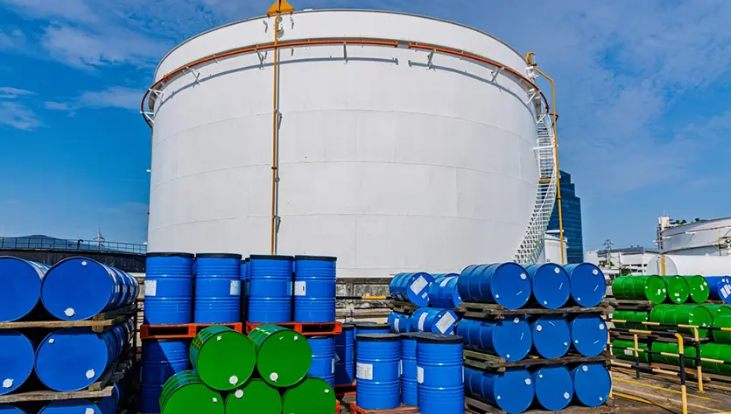
Global oil inventories are falling at the fastest rate ever recorded as the war in the Middle East disrupts key shipping routes and pushes the world deeper into a supply deficit, according to the latest assessment from the International Energy Agency. The agency has described the situation as an “unprecedented supply shock”, warning that the fallout could weigh heavily on small and medium-sized businesses already under pressure from inflation and weak demand.
A major factor behind the disruption is the effective closure of the Strait of Hormuz, a critical maritime passage that previously carried around a fifth of global oil and gas flows. Damage to energy infrastructure across the Gulf has further tightened supply, leaving global markets struggling to adapt to sudden shortages.
The International Energy Agency now expects a supply shortfall of around 1.8 million barrels per day this year, a sharp reversal from the surplus it had forecast only weeks earlier. Total global output is projected to decline by 3.9 million barrels per day to 102.2 million, even under assumptions that limited tanker traffic through the strait will resume later in the year. Even so, the market is expected to remain in deficit until the final quarter.
Oil markets have reacted violently to the uncertainty. Brent crude, the international benchmark, surged to highs of $126 per barrel earlier in the year after starting at around $60, before easing slightly in recent trading sessions. Despite recent volatility, prices remain more than 70% higher year-to-date, feeding through to transport, manufacturing, and retail costs across the UK economy.
Since the conflict escalated, an estimated 246 million barrels have been drawn from global inventories, leaving what analysts describe as a dangerously thin buffer. Emergency action earlier in the year saw coordinated releases from strategic reserves as governments attempted to stabilise markets, though the impact has proven limited.
Producers outside the Middle East have increased output in an effort to offset the shortfall, particularly in the Americas. Shale production in the United States and offshore output in Brazil have helped lift non-OPEC supply, but gains have not been sufficient to close the gap. Gulf production remains significantly below pre-war levels.
The IEA also notes a sharp slowdown in global oil demand growth, now expected to fall by 420,000 barrels per day as higher prices and weaker economic activity reduce consumption. This marks a dramatic shift from earlier expectations of expansion.
IEA Executive Director Fatih Birol has previously warned that the current crisis represents the most severe global energy security challenge in decades. With inflation pressures rising and growth forecasts weakening, the agency says the speed of the downturn is becoming as concerning as its scale.
For Britain’s small and medium-sized enterprises, the consequences are increasingly indirect but severe, with higher fuel costs, rising logistics expenses and weakening consumer demand combining to create what analysts describe as one of the most challenging operating environments in years.