Amid the growing demand for electricity in the country, driven by digital infrastructure growth, data centre operator Equinix has started testing a hydrogen-powered energy system at its Blanchardstown, Dublin facility.
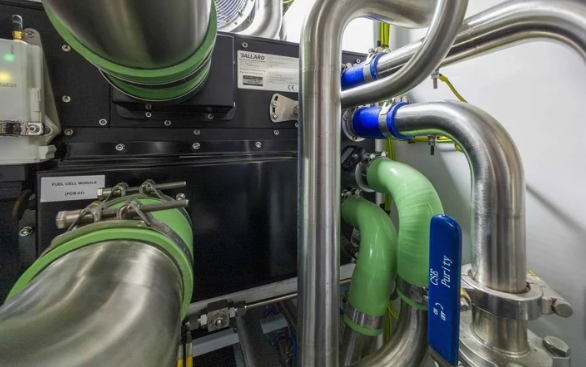
The two hydrogen-powered generators built by the clean energy firm GeoPura will be installed at the 12-week pilot project. The units themselves are contained in modules, each the size of a shipping container and are being deployed to assist with cooling at the data centre site.
The generators operate in parallel with each other and are intended to offer a zero direct onsite emissions solution to conventional diesel or gas backup systems, the companies said. The hydrogen used in the trial is produced from renewable energies.
The move is being made in partnership with Ireland’s national electricity utility, ESB, Equinix said. The trial aims to evaluate the ability of hydrogen-based solutions to enable data centre operations, while also decreasing the need for carbon-intensive back-up generation.
Equinix Ireland managing director Peter Lantry said the project is an important initiative in investigating alternative energy solutions for the sector. He said the trial could also help solve some of the challenges around grid capacity issues and the growing struggle to obtain clean power for large digital infrastructure.
Ireland is also making strides with hydrogen development and storage technologies, that will be part of the future energy systems, he added.
As data demand is growing, this is putting further strain on the electricity network, ESB’s Head of Asset Development Paul Lennon said. Hydrogen systems could also provide a cleaner and more reliable alternative to traditional backup generators, especially for energy-intensive sites like data centres, he added.
Minister of State in the Department of the Environment, Climate and Communications, Timmy Dooley, also welcomed the pilot. Hydrogen has the potential to be a significant part of Ireland’s overall energy transition to a more sustainable energy system,” he said. In the end, field demonstrations like this are crucial in determining how new technologies can help meet future energy needs, he added.
The project is happening at a time when data centres have become an ever larger part of Ireland’s electricity usage. Currently, in 2024, they consume 22 per cent of the national electricity, whereas in 2015, their electricity consumption was only 5 per cent. By 2030, share is expected to increase to almost a third.
The Irish government has announced a ‘Large Energy Action Plan’ in response to growing demand for energy-intensive sites, such as data centres, to further develop in Ireland without compromising the stability of the grid. This is in response to the informal data centre connection moratorium that was previously in place.
Regulators have also made the standards more stringent for new developments. The Commission for the Regulation of Utilities has said that the data centres should only go ahead if they can secure at least 80 per cent of their annual electricity requirements from new renewable electricity generation.
The Equinix trial is part of the broader industry’s efforts on low-carbon options amid rising pressures on the energy systems to accommodate the fast growth of digital infrastructure.