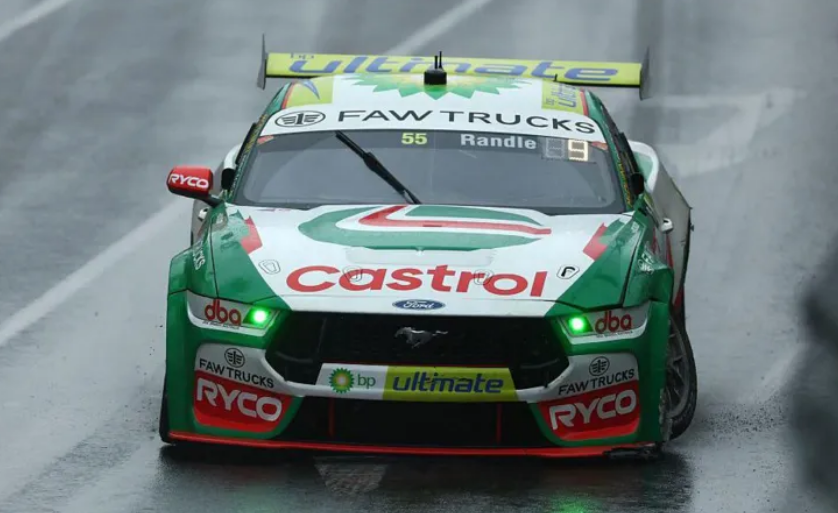
BP has agreed to sell a 65% stake in its motor oil division Castrol to New York-based investment firm Stonepeak in a deal valued at $6 billion (£4.4 billion), the company announced on Wednesday. The transaction values Castrol at $10.1 billion (£7.5 billion), with BP retaining a 35% share in the lubricants business, which produces oils for cars, motorcycles, and industrial vehicles.
The London-based oil giant said the sale marks a key step in its plan to restructure operations and focus on its core oil and gas business. BP first acquired full control of Castrol in 2000 and said the proceeds from the sale will be used to reduce debt and streamline operations.
“This is a very good outcome for all stakeholders,” interim chief executive Carol Howle said. “We are reducing complexity, focusing the downstream on our leading integrated businesses, and accelerating delivery of our plan.”
The divestment comes as part of BP’s broader strategy to sell $20 billion (£15 billion) in non-core assets, announced in February, aimed at strengthening the company’s balance sheet. The sale of Castrol, along with previous asset disposals, brings BP more than halfway toward that target.
The move also reflects a shift in BP’s approach to energy investments. The company has signalled a reduced focus on green energy projects, following pressure from investors concerned about lagging profits and share performance compared with rivals. Shell and Norwegian firm Equinor have made similar adjustments, prioritising oil and gas over renewable energy projects.
BP’s sale of Castrol follows a series of recent management changes. Meg O’Neill will take over as chief executive in April 2026, becoming the company’s first female leader. Her appointment came three months after BP named a new chairman, Albert Manifold, and less than two years after Murray Auchincloss succeeded Bernard Looney as CEO.
The transaction also continues a string of divestments by BP, including its US onshore wind energy business and its Dutch mobility and convenience operations. Analysts welcomed the move, highlighting the immediate financial benefits for the company.
Russ Mould, investment director at AJ Bell, described the deal as “an early Christmas present” for shareholders. “The significant proceeds from the transaction will allow BP to make a decent dent in its onerous borrowings pile. It also means it is well on the way to achieving its goal of $20 billion worth of divestments by 2027,” he said.
Shares in BP initially rose on Wednesday morning following the announcement, although gains narrowed later in the session. The sale of Castrol underscores the company’s renewed emphasis on its core oil and gas operations as it seeks to simplify its portfolio and improve financial performance.