
















Two people in Pennsylvania have died from measles, marking the first reported deaths linked to the disease in the United States this year and the state’s first measles-related fatalities in 35 years.
The Pennsylvania Department of Health confirmed the deaths on Tuesday, saying both individuals were unvaccinated and lived in Lancaster County, which has been at the centre of a major measles outbreak. Officials have not released further details about the victims.
Pennsylvania Health Secretary Dr Debra Bogen said the long absence of measles deaths in the state may have left some people unaware of how serious the disease can become.
More than 2,700 measles cases have been reported across the US this year, according to federal health data. That is the highest annual total since measles was declared eliminated in the country in 2000.
Measles is highly contagious and can cause fever, cough, rash and other symptoms. While many patients recover, about one in four people infected with the virus requires hospital treatment. Young children, pregnant women and older adults face a greater risk of serious complications.
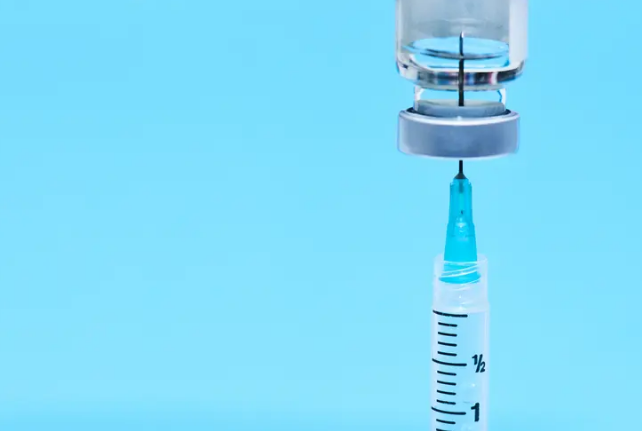
The measles, mumps and rubella vaccine, commonly known as MMR, remains the main protection against the disease. Two doses are about 97% effective at preventing measles, according to health authorities.
Health officials say vaccination coverage of at least 95% is generally needed in communities to maintain strong protection against outbreaks. However, national coverage among US kindergarten children fell to 92.4% during the 2025-26 school year.
Pennsylvania’s statewide rate was about 93%, while Lancaster County’s rate was below 88%. The county is home to the largest Amish settlement in the US, a community where vaccination coverage has historically been lower.
Vaccination rates across the country began falling during the COVID-19 pandemic and have remained below previous levels. The decline has raised concerns among doctors and public health officials as measles cases continue to increase.
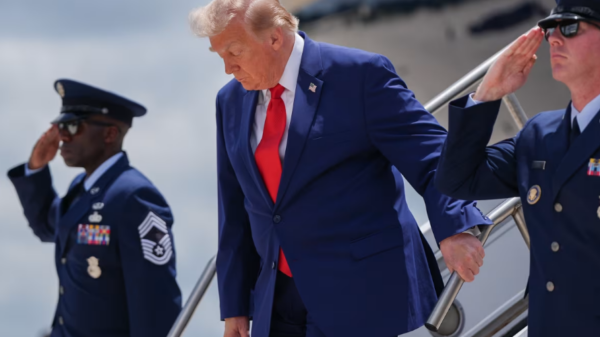
The outbreak has also intensified debate over childhood vaccination policy. President Donald Trump signed an executive order earlier this month calling for changes to the childhood vaccination schedule and directing officials to examine separating the MMR vaccine into individual shots.
Medical organisations have criticised the move, arguing that there is no established scientific evidence showing that separating the combined vaccine provides greater protection.
The Centers for Disease Control and Prevention and the American Academy of Pediatrics continue to recommend two MMR doses for children, beginning with the first dose between 12 and 15 months of age.
Health authorities also advise adults who are unvaccinated or uncertain about their vaccination history to consult a healthcare provider about protection against measles.

















You must be logged in to post a comment Login